Offering a light transmittance nearly equal to that of glass, yet ten times more shatter-resistant, acrylic bottles are increasingly being incorporated into product lines by brands in 2026. We have compiled a list of the questions most frequently asked by buyers.
Over the past two years, there has been a marked increase in inquiries regarding "Acrylic Crystal Bottles." The primary reason is actually quite simple: while glass bottles are aesthetically pleasing, they are fragile—a significant drawback, particularly for sellers relying on courier services or operating in the cross-border e-commerce space, where the after-sales costs associated with damaged packaging are prohibitively high. Conversely, while standard plastic bottles are inexpensive, they lack sufficient transparency; when displayed on shelves or featured in product photography, they tend to project a cheap, low-quality image.
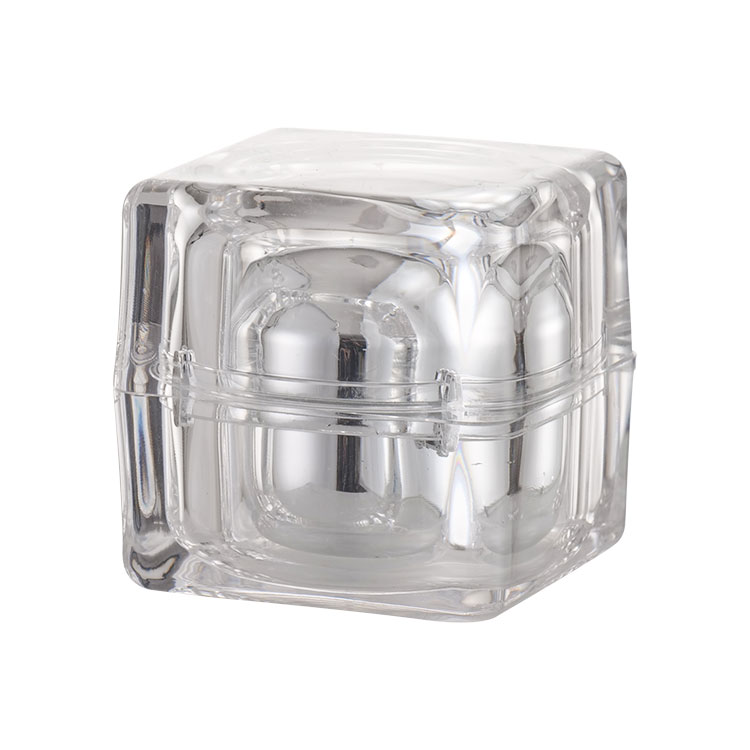
Acrylic boasts a light transmittance rate exceeding 92%, rendering it visually indistinguishable from glass to the naked eye, yet it possesses an impact resistance approximately ten times greater than that of glass. In practical terms, this means that if both were dropped from a height of one meter, the glass bottle would likely shatter, whereas the acrylic bottle would, in all likelihood, remain intact. For brands specializing in skincare, health supplements, and beverages, this specific characteristic directly translates into reduced logistical losses and fewer customer complaints.
Based on our communication with clients, this year when looking for suppliers, the most important factors are no longer unit price, but rather the following three:
Whether or not they have FDA and LFGB certifications: For products sold in Europe and America, food-grade certification is a strict requirement. Being BPA-free is the absolute minimum requirement, and reputable buyers will invariably request corresponding test reports.
Is it a double-wall design? Bottles with double-wall insulation have been especially popular in the last two years. furthermore, the visual effect of the liquid appearing to "float" between the two layers creates a premium aesthetic, making these items ideal for high-end water bottles, coffee mugs, or custom corporate gifts.
Could the minimum order quantity be lowered? Many DTC brands are just starting out and don't want to have too much inventory. Whereas minimum order quantities of tens of thousands of units were once the norm, buyers today are increasingly seeking suppliers willing to accept smaller orders—ranging from just a few hundred, or even a few dozen, units—even if it entails a slightly higher unit price.
Some people treat acrylic like any other plastic and shop by price alone. But low-cost bottles often develop cracks, fogging, or surface scratches after a while.
Two main issues to watch for:
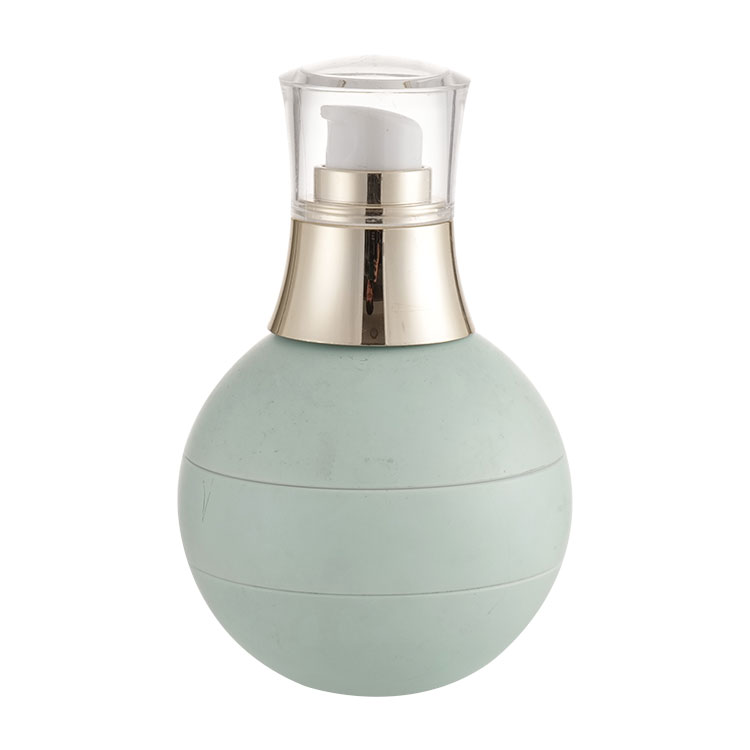
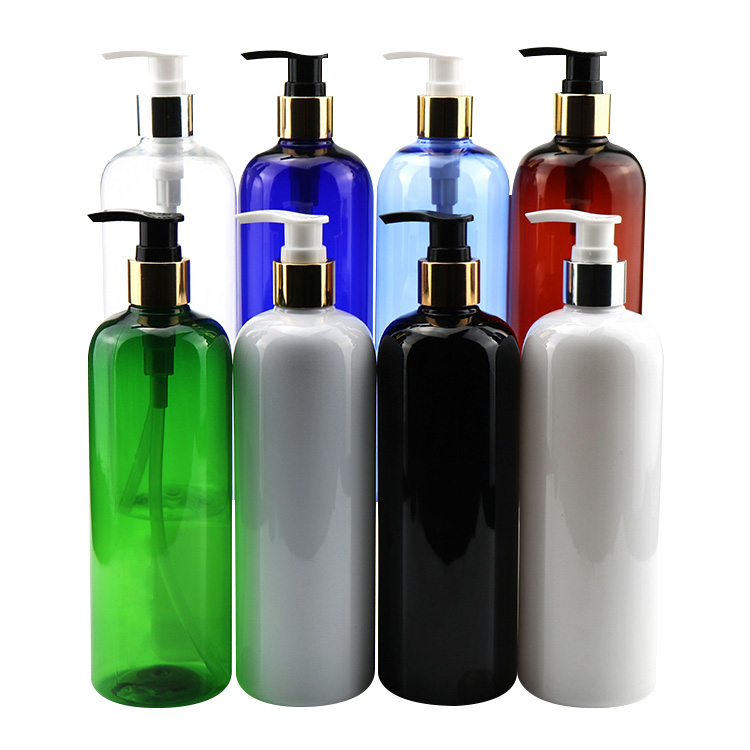
Our 200ml Press Type Lotion Bottle
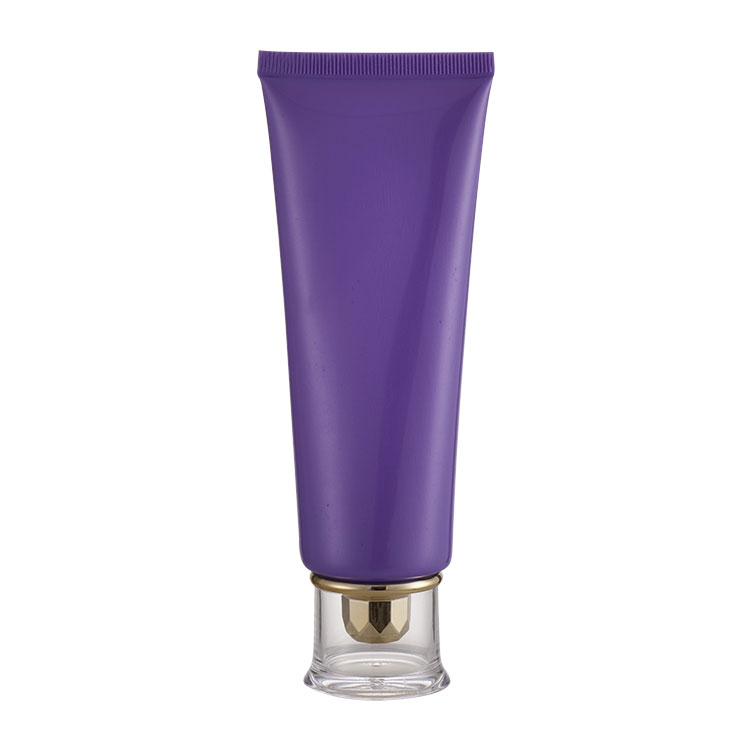
In addition to our acrylic series, we also offer mature products in PET material. Below is a pressed lotion bottle we currently promote, suitable for skincare and personal care product lines.
| Parameter | Specification |
|---|---|
| Product Name | 200ml Press Type Lotion Bottle |
| Capacity | 200ml |
| Material | PET (lightweight, durable, chemical-resistant) |
| Manufacturing Process | Blow molding (uniform wall thickness, seamless structure) |
| Printing Process | Silk-screen printing (custom logo and designs supported) |
| Accessories | Electro-aluminum parts |
| Seal Performance | Leak-proof design |
| Applications | Lotion, shampoo, hand cream, skincare products, liquid soap, personal care |
| Certification | ISO certified |
| Export Markets | US, Germany, Japan, and more |
Judging by current order volumes, demand for acrylic bottles remains on an upward trajectory. This trend is driven by two key factors: on one hand, the costs of glass and logistics continue to rise; on the other, end consumers are genuinely willing to pay a premium for packaging that conveys a "high-end" aesthetic.
For buyers currently sourcing new products, the "Acrylic Crystal Bottle" category offers attractive profit margins and extensive customization potential. With options ranging from silk screening, UV printing, and hot stamping to frosted finishes, brands can easily differentiate their products in the market.
If you are exploring this product category and would like to learn more about specifications—such as wall thickness, certifications, and Minimum Order Quantities (MOQ)—please feel free to contact us.