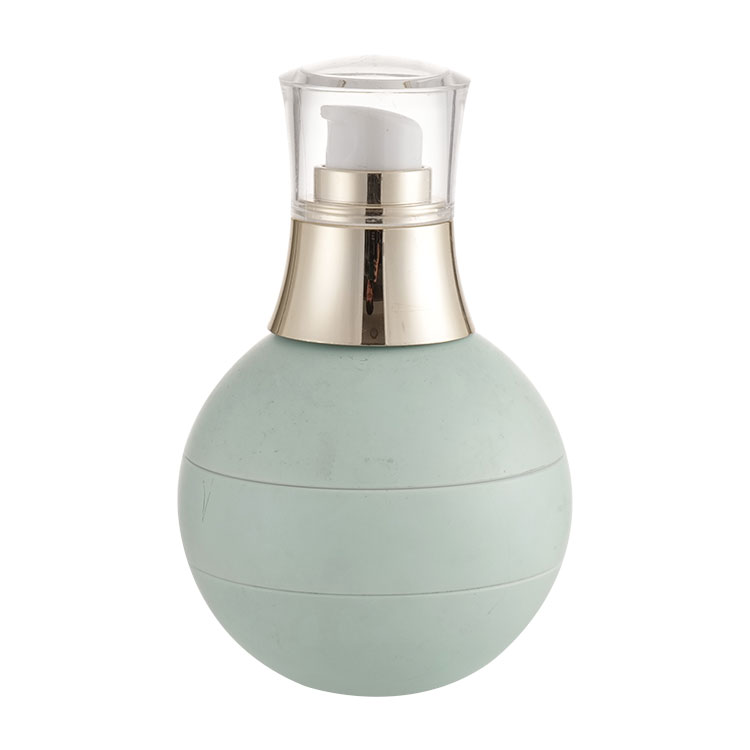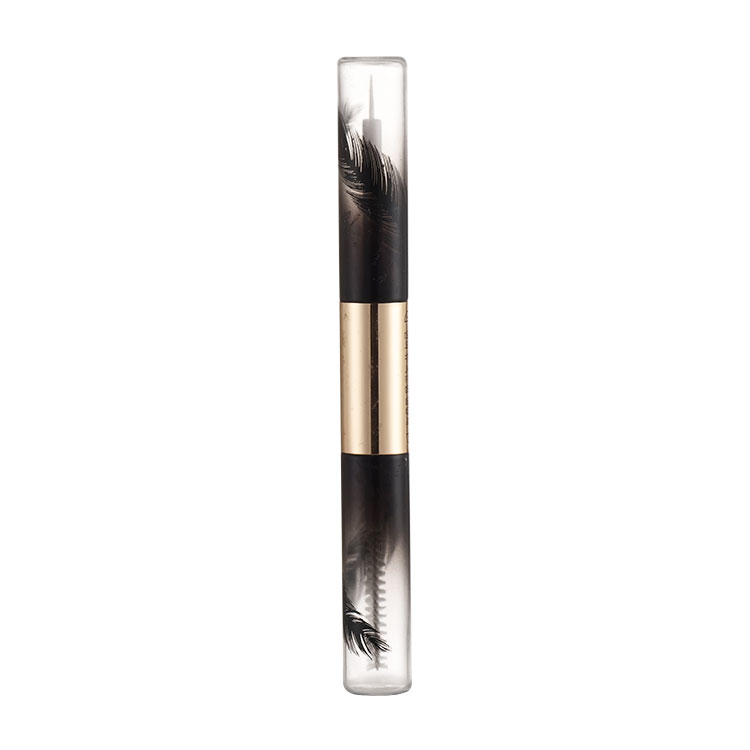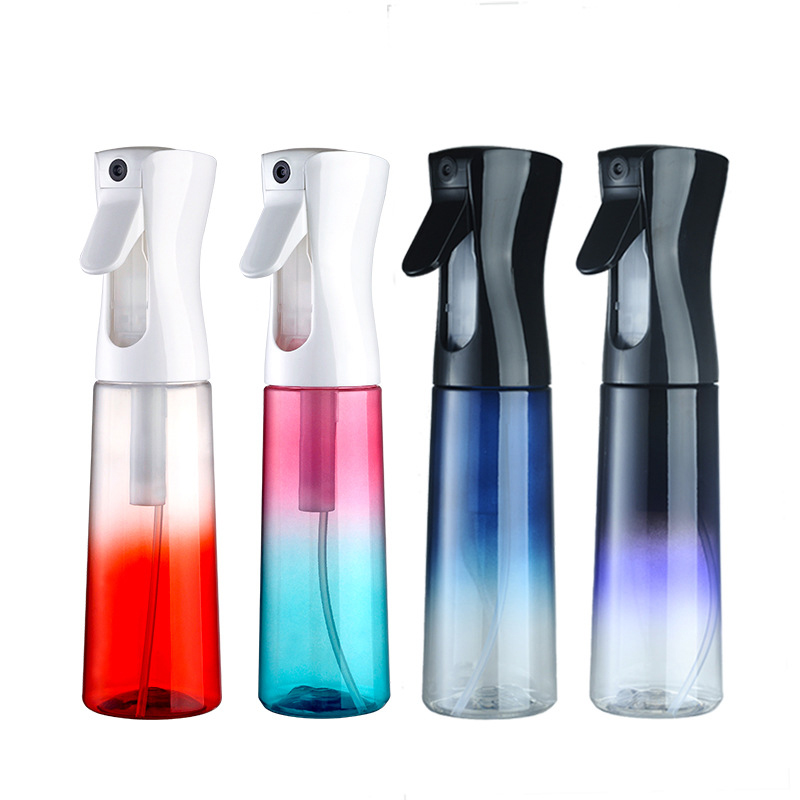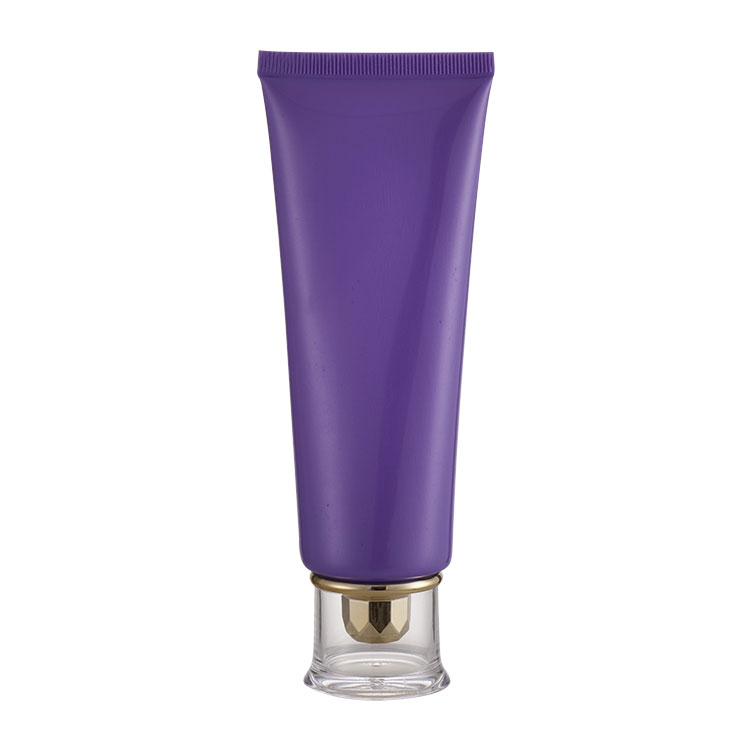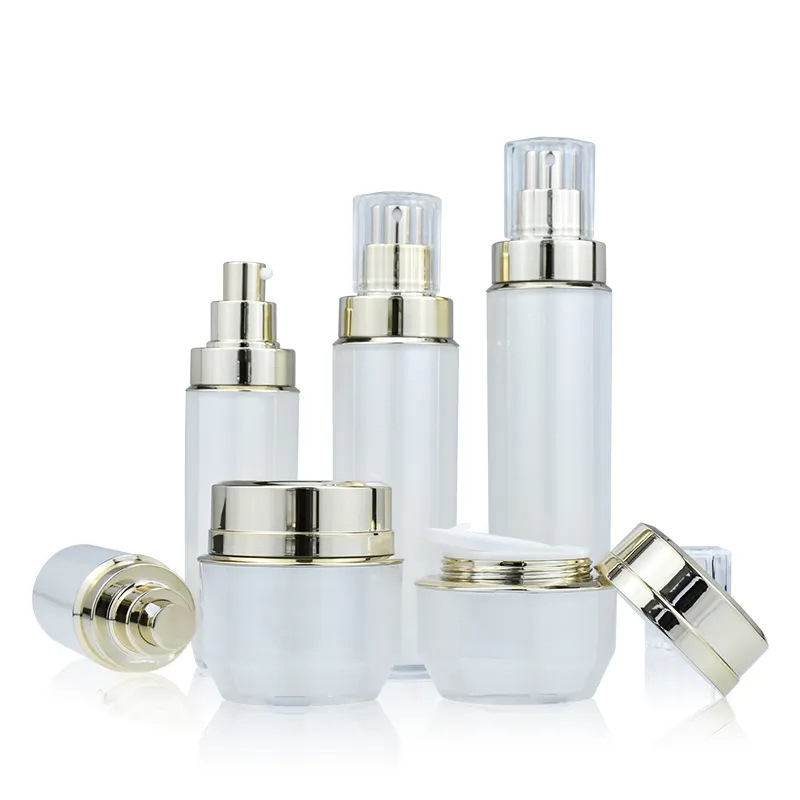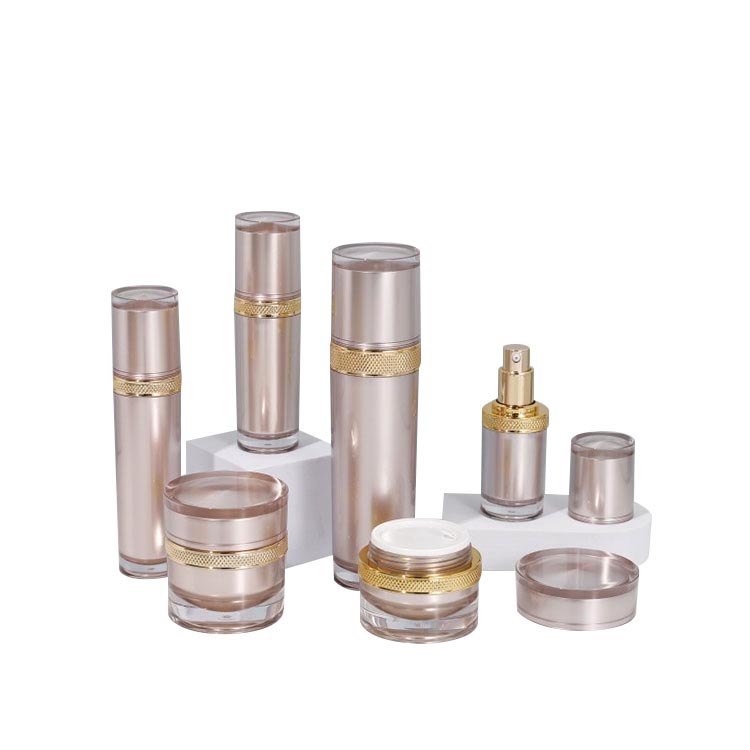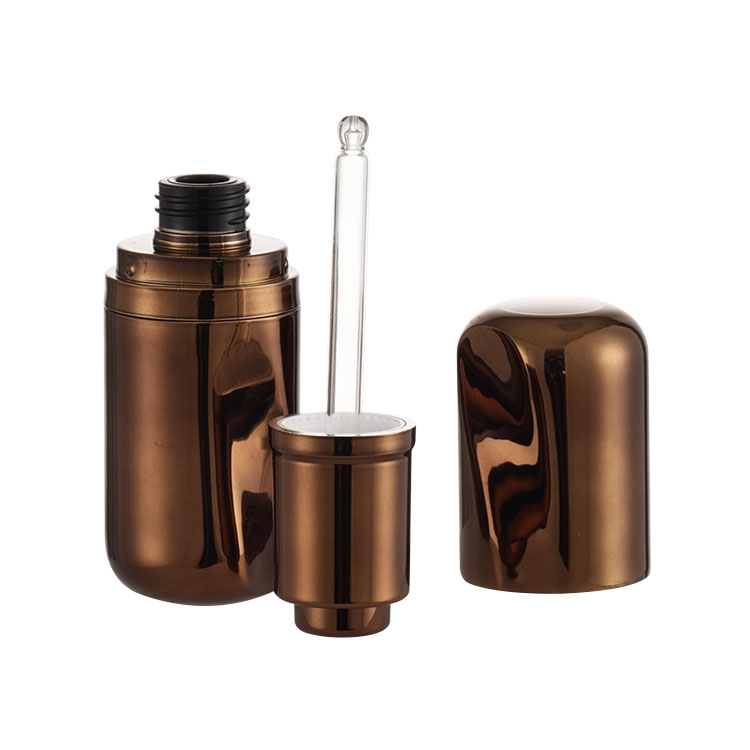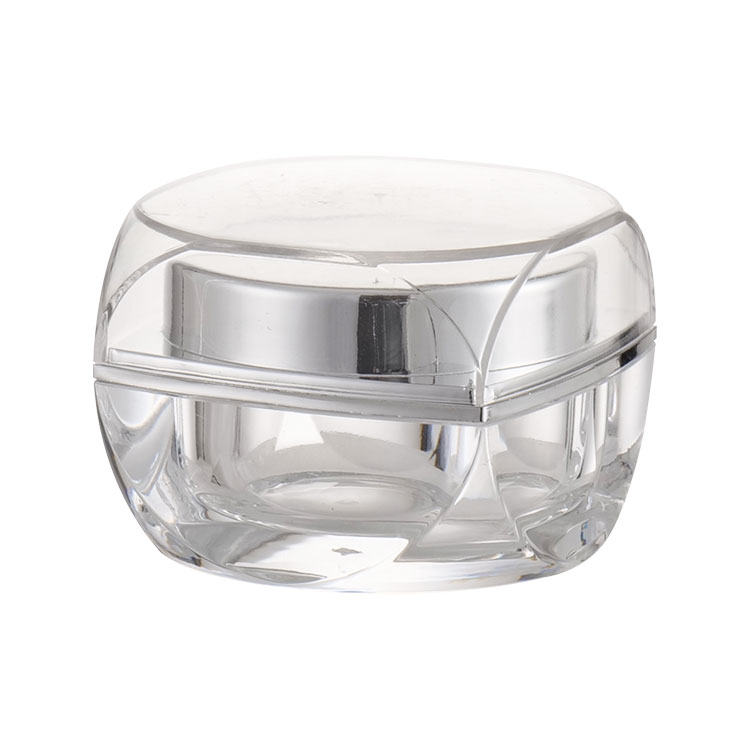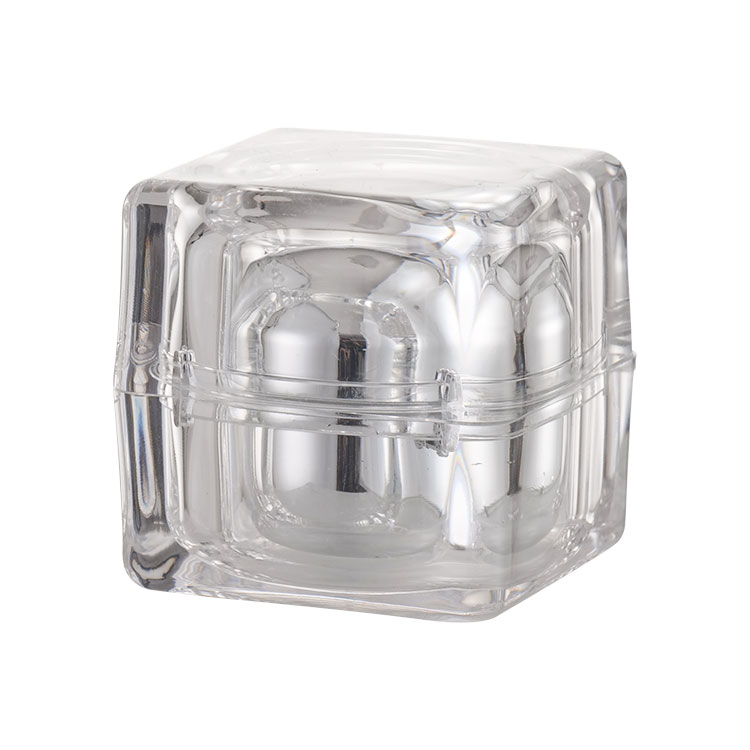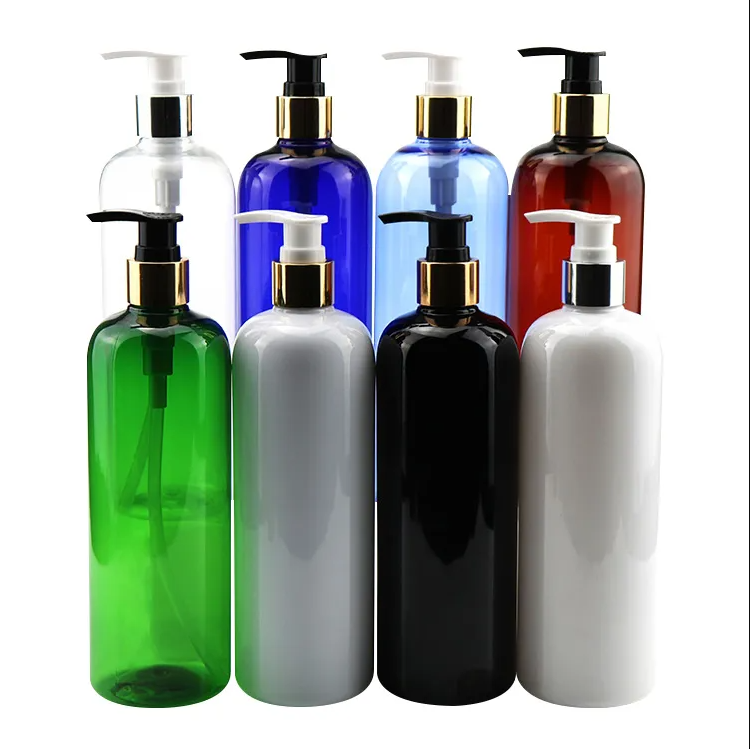
The acrylic bottles that people often talk about are actually made of a plastic called PMMA (polymethyl methacrylate). Acrylic is a material that was developed a long time ago, and it has three main advantages: it is very transparent, chemically stable, and extremely durable and sun-resistant.
Its popularity stems from its super transparency, making it look like crystal, and its ease of processing; it can be made into any shape you want.
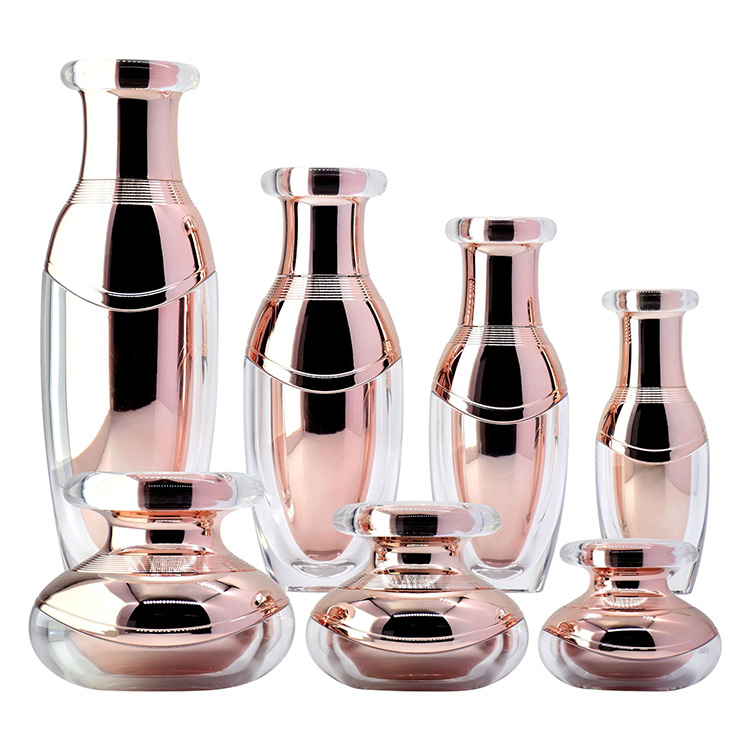
1. Crystal Clear Brightness, Brighter Than Glass: Made of acrylic sheet, its light transmittance is astonishingly high, even brighter than glass, reaching over 92%. Hence the nickname "plastic crystal."
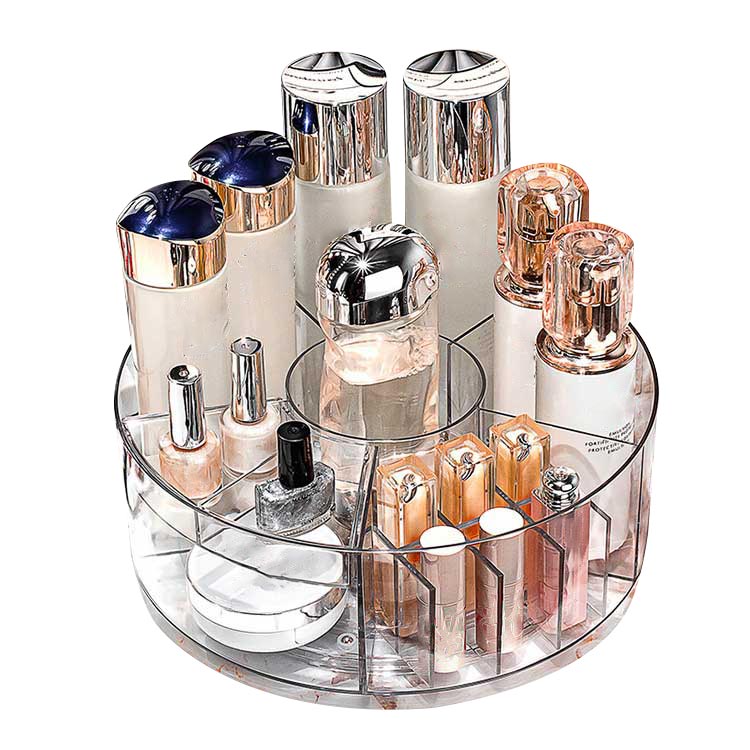
Using this crystal-clear acrylic for display stands instantly elevates the appearance of cosmetics, making them look high-end, sophisticated, and uniquely textured. This perfectly captures the beautiful and elegant feeling that cosmetics should evoke.
2. Sturdy and Durable: Its surface hardness is high, making it less prone to breakage. Even if it's accidentally knocked over, it won't shatter into sharp fragments like glass.
The peace of mind that customers have is extremely important for cosmetic counters. Those samples are often handled by customers, and it would be troublesome if they were accidentally knocked over and broken, causing injury. With acrylic, you don't have to worry about this problem at all; it's very safe.
3. Corrosion Resistant: Strong corrosion resistance: Cosmetic display stands are often accidentally spilled with toners, serums, etc., which puts the material to the test over time. Acrylic has excellent stability and can withstand the corrosion of these chemicals. Acrylic display stands can easily last three to five years, and with proper maintenance, they can even last up to ten years. They are incredibly durable.
|
Category |
Details |
|---|---|
| Core Processing Techniques | Casting Molding, Injection Molding, Extrusion Molding |
| Primary Application Fields | Cosmetics, Healthcare Products, Food, Pharmaceuticals, and other sectors |
1. Casting: Liquid acrylic material is poured directly into a pre-designed mold, allowing it to slowly cool and solidify.
Bottles made using this method are of exceptionally high quality, with the highest transparency and more stable and precise dimensions and shapes. This process is typically chosen if you have very high requirements for the bottle's appearance and seek the ultimate in texture.
2. Injection Molding: Like making a mold, the acrylic material is heated and melted, then injected rapidly under high pressure into the mold. The bottle model is created in the blink of an eye—super fast. Because of its high efficiency and relatively low cost, it is particularly suitable for products that don't require overly complex shapes but need to be mass-produced.
3. Extrusion Molding: Molten acrylic material is continuously extruded from a mold with a fixed shape. These tubular materials are then cut, blow-molded, and otherwise further processed to become bottles.
Extrusion molding is mainly used to produce acrylic tubes or rods, which are then used to process the bottle body.